

Choosing Eggs – Which Carton of Eggs to Buy
Choosing eggs at the grocery store can be confusing. There are SO many options and descriptions on the cartons. What does it all mean and which ones should you buy?

Occasionally I get eggs from my nephew’s farm where their hens roam freely. But, usually, I get my eggs at the grocery store. The egg display has grown increasingly confusing! In one visit, I saw all of these options:
- Free Run
- Free Range
- Furnished/Enriched Caged
- Comfort Coop
- Nest laid
- Standard or Classic Egg
- Organic
- Omega 3
- Vitamin Enhanced
- Omega 3 Plus
- Vegetarian
It’s hard to keep up with all these terms. What do they mean? Which eggs should I buy?

First, let’s just get one thing straight – there is no bad egg! If you’re choosing eggs – no matter what kind – you’re making a good choice. Eggs are a good, healthy and affordable source of nutrients.
Buy whatever eggs meet your personal preferences and that you can afford.
In Canada, all eggs sold in stores:
- are Grade A quality
- are antibiotic or hormone free (whether the carton says so or not)

Choosing the Right Eggs
The right egg carton is the one that fits your preferences for value, nutrient content, animal welfare, name brand, packaging, supporting local, etc.
1.Best Price
Choose standard, regular eggs in traditional packaging. Choose brown or white eggs, they are the same on the inside, they just come from different breeds of chicken.
2. Best Nutrient Content
If you want extra nutrients, choose eggs from hens that have been fed a very specific diet of nutrient rich foods like flaxseed to increase Omega 3 fatty acids or Vitamin E to boost Vitamin E content. It’s a convenient way of getting these nutrients if you’re not getting them from other sources. These eggs cost more, because the hens’ feed is more expensive: Look for eggs labeled: Vitamin Enhanced, Omega 3 or Omega 3 Plus eggs.
Omega 3 or Omega 3 Plus Eggs
Hens are fed a diet high in foods containing Omega 3 (flaxseed) – housing conditions vary
Vitamin Enhanced Eggs
Hens are fed diets enriched with various nutrients eg. Vitamins D, E and B12 and Folacin – housing conditions vary
Vegetarian Eggs
Hens are fed food based on plant material only, no animal by-products (chickens are naturally omnivorous)
Organic Eggs
Hens are fed organic food (no synthetic herbicides or pesticides) and housing must include nest boxes, perches, litter (for pecking) and some access to outdoors
3. Greatest Hen Comfort
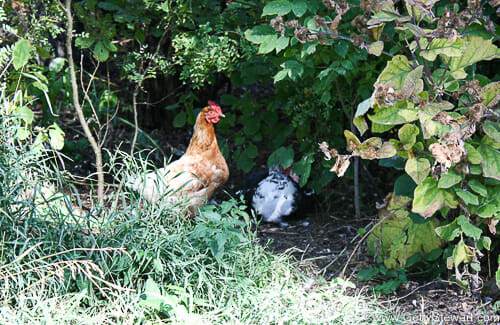
Like me, you probably like the idea of hens roaming green pastures where they can do their thing and come home to roost in a warm, comfy shelter. And, yes, you can find local farmers and buy eggs directly from them. It’s a great option, especially if you can visit the farm and get to know your farmer.
But we know our demand for eggs is much bigger than these farms can provide. That’s why we have commercial egg farmers to provide us with eggs. Our Canadian egg farmers and the industry care about their hens’ welfare and the safety of our food. They are constantly improving and researching the most efficient, effective and animal friendly way to produce quality eggs.
In Manitoba, for example, egg farmers are phasing out conventional housing to alternative systems. At minimum they will have enriched housing which provides hens with more room, perches, scratch pads and private, curtained nesting areas.
Here are some of the different housing conditions hens are kept in. You’ll usually find these labels on the egg carton, if you don’t, then it’s likely that the eggs came from hens in a conventional housing system.
Conventional Housing
A group of hens in a cage with no perch or nest box.
Free Run Eggs
Hens are kept in an open barn where they can roam the entire barn floor. They also have perches and nesting boxes. Some of these barns are also equipped with multi-tiered aviaries. Access to outdoors is not required for this system.
Free Range Eggs
Hens are kept in open barn with some access to outdoors (weather permitting). The size of access and what the outdoor space is like (concrete, bare ground or pasture) can vary with each farm.
Enhanced/Comfort Coop/Furnished/Enriched/Nest Laid Eggs
Hens are kept in small groups. They have more space than conventional housing, access to a private nest box, scratch pads and perch bars.
Pastured Chickens
Hens are on pastures, are moved to new pastures and stay in coops at night. This is typically found on small, farms that sell eggs directly from their farm.
I hope this information helps you when you make your next egg purchase. Which type of eggs will you choose?
More deep-dive articles on eggs
Cook with the seasons, effortlessly! I’m Getty, a food educator and Professional Home Economist, helping you select, store, and serve seasonal ingredients in delicious, simple, everyday meals. Sign up for seasonal tips and recipes delivered straight to your inbox, and dive deeper with my books, guides, or YouTube content.
Thank you for the info, it feels a little overwhelming with all the different eggs to choose from at the store. I enjoy all your informative articles and recipes they are a huge help.
It can be overwhelming, glad to help!
Very well researched Thank You I love eggs
Thank you. I love eggs too and wanted to make sure I provided accurate information.