

How To Select and Store Potatoes with Variety Chart
Need help choosing the right potato for a recipe? I’m often asked which potato works best for different purposes – at the same time, I also get a lot of comments asking if it really matters which potato you use. Let’s explore!

Also Read: How to Make Oven Roasted Potatoes, Make-Ahead Freezer Mashed Potatoes, Cauliflower & Potato Curry
Yes, you can use any kind of potato for any potato recipe. In fact, that’s what we did as I was growing up – we used whatever potato was in the root cellar.
BUT, you won’t get the best possible results in every recipe. For example, you could use a russet potato for potato salad – but the potatoes will end up crumbly and mushy instead of remaining as distinct potato cubes. You could use red potatoes for baked potatoes, but they won’t have the same crispy skin and soft interior as a russet. They’re both delicious – but if texture matters to you – choosing the right potato for the job makes a difference.
It all comes down to starch content. Starchy potatoes like russets are dry, fluffy and absorbent with a skin that crisps up nicely when fried or baked. They’re also great for mashed potatoes. Waxy potatoes like red potatoes or Yukon gold have a smooth texture and hold their shape quite well when cooked. They’re best for dishes like scalloped or au gratin potatoes, potato salad, soups or stews.
To help you make the most of your potato dishes, here’s a chart for choosing the right potato.

Are Potatoes Healthy?
Contrary to what you might have heard, potatoes can be part of a healthy diet. One medium-sized potato with the skin intact contains 110 calories, has more potassium than a banana, provides almost half our daily value of vitamin C and is a good source of vitamin B6 and fiber. As for the starch content, did you know, one baked potato has about the same amount of carbs as a cup of cooked quinoa or pasta? So, there’s no need to shun potatoes.
Just be conscientious about how many you’re eating at one time and how you’re preparing them. Hint, go for baked or roasted versus deep fried or covered in gravy.
Oh and when you can – eat the skin. The potato skin has more nutrients than the interior, particularly fiber.
Selecting Potatoes
Choose clean, dry, firm potatoes with no bruises or green spots. If you do happen to get any green patches, sprouts or black patches, remove them before cooking. The green part is toxic – be sure to get it all. The rest of the potato is fine to eat.
PRO TIP: When potatoes are exposed to light, they turn green, no matter what time of year or when they were picked. I always double check bags of potatoes in the grocery store to make sure they don’t have too much green on them – especially in spring time – when storage potatoes have been around for a long time. If they’re in plastic bags, where they are exposed to light – double check!
Handle potatoes gently. They may look tough, but potatoes bruise easily and those bruises turn to dark patches.
Storing Potatoes
Keep potatoes in a dark, well ventilated, cool (7-10°C/40°-50°F) area.
Too warm and your potatoes will sprout, shrivel and loose nutrients.
Too cold and you’ll get darkening and a slightly sweet off-flavor as the starch turns to sugar.
Also, keep onions and potatoes separate or they’ll both deteriorate more quickly.
Why Potatoes and Onions Need to Be Kept Separate
They’re great together when cooking, but do not sore potatoes and onins together. Stored together they create a damp, gas-rich environment that shortens the storage life of both. They cause each other to soften, sprout and age more quickly.
Onions give off ethylene gas. Ethylene gas is a natural plant hormone released by many fruits and vegetables as they ripen or age. Even in very tiny amounts, this invisible gas signals nearby produce to speed up ripening, sprouting, or aging. If potatoes are stored next to onions, they’re likely to sprout more quickly.
Potatoes in turn, release moisture in storage and onions, do not like moisture – not even a little bit! That extra humidity can cause onions to soften, mould, or rot. BTW high humidity is also one of the reasons we don’t recommend storing onions in the fridge.
Keeping them in separate, well-ventilated bins helps each crop last much longer. If you have a small storage space, keep them as far apart from each other as possible.
Freezing Potatoes
While I don’t always recommend freezing potatoes, it is possible with the right preparation and care. Potatoes have a high water content, which means they can often turn mealy or grainy after freezing. But if you’re determined to freeze them, here’s how to do it the right way!
- Don’t freeze raw potatoes – they must be blanched. Freezing raw potatoes can cause them to become discolored, mushy, and unappetizing.
- To Blanch: Peel and cut potatoes then blanch for 2-4 minutes to preserve flavour, texture and colour. Cool right away in ice water, pat dry and flash freeze on a tray before transferring to airtight bag. These will be ideal for hashrowns or fries.
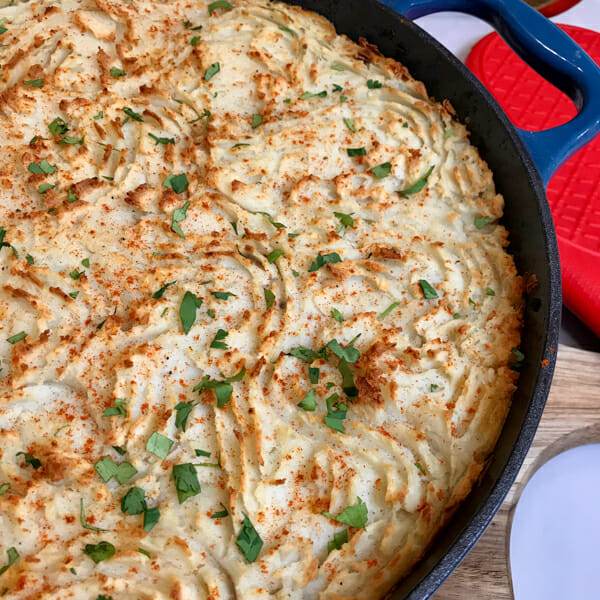
- The only cooked potatoes I ever freeze are mashed potatoes, potatoes in casseroles or those in soups or stews. I use starchy russet potatoes, in casseroles or mashed potatoes. When they’re mixed with fat from butter/oil, dairy or cheese they freeze better. In soups, or stews I use waxy potatoes which hold their shape better after freezing.
Best Potatoes for Freezing:
- Waxy potatoes (like red, Yukon gold, fingerling, or new potatoes) freeze the best because they hold their shape and texture better.
- Starchy potatoes (like Russets) can become mushy or grainy after freezing.
A Word About Darkening After Cooking
Have you had beautiful potatoes turn dark after cooking? It may be because potatoes were stored too cool. Or, it may be due to acid and mineral imbalances within the potato due to growing and soil conditions. These imbalances cause cooked potatoes to turn bluish/black when exposed to air. It happens in homes and commercial settings across the globe and is called After-Cooking Darkening. Yup, it’s an official thing!
While food processing companies use sodium acid pyrophosphate to control darkening, for home cooks the solution is unclear. The best option is to work quickly to minimize exposure of cooked potatoes to air. Keep covered or coat them quickly with spices, broth, butter or acid. See, butter makes everything better!
Potato Recipes to Try
- Ultimate Chowder Recipe
- Creamy Cabbage Soup
- Potato, Leek and Carrot Au Gratin
- Cauliflower Potato Curry
- Chicken Corn Chowder (lightened up)
- Sausage and Root Veggie Sheet Pan Dinner
- Leftover Mashed Potato Patties
- Make Ahead Freezer Mashed Potatoes
- Potato and Leek Soup
- Broccoli Soup with Potatoes
- Roasted Rosemary Potatoes
- Chili Cheese Roasted Potato Slices
- How to Dehydrate Potatoes
- How to Make Scalloped Potatoes with Dehydrated Potatoes
Do you have any questions about selecting, storing or using potatoes? I love getting reader’s questions and the opportunity to uncover and share tips and info. Leave a comment below or tag me on Instagram @getgettys and Facebook @GettyStewart.HomeEconomist.
Cook with the seasons, effortlessly! I’m Getty, a food educator and Professional Home Economist, helping you select, store, and serve seasonal ingredients in delicious, simple, everyday meals. Sign up for seasonal tips and recipes delivered straight to your inbox, and dive deeper with my books, guides, or YouTube content.