

How to Freeze Green Beans
Here’s how to blanch and freeze green beans. Blanching is an important step when freezing vegetables. It stops the aging enzymes that are present in vegetables and can make vegetables loose texture and flavour. If you plan to keep your vegetables in the freezer for more than a few weeks, blanching is highly recommended. While you may see some people and websites say you can freeze without blanching – all food science experts agree that blanching is needed to preserve flavour, colour and texture of frozen vegetables for an extended time.
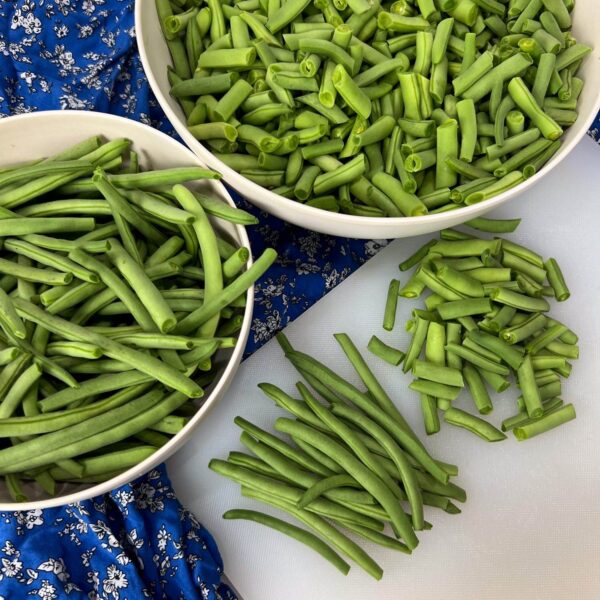
Also read: Freezing Fruits and Vegetables, Cooking Frozen Beans, Green Bean Recipes
Bush beans are an easy, fast growing and very rewarding vegetable to grow. Simply place the bean seed in the ground and wait 40 – 50 days. Here in Winnipeg, bush beans are ready for picking by mid to end of July. Picking them often will encourage more blossoming and extend the season to the point where you’re eager to share your beans with others! But before you give them away, freeze some for those long winter months.
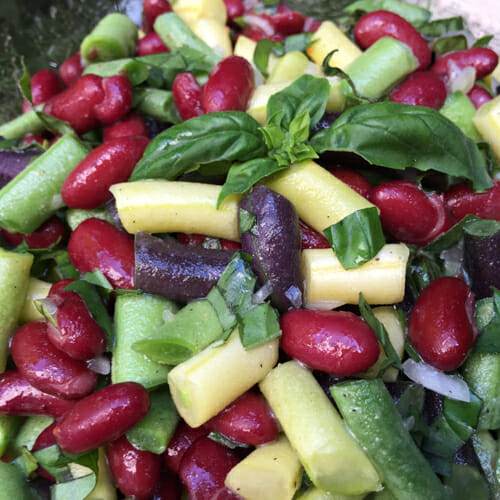
We like growing green, yellow and burgundy waxed beans because they look awesome together in recipes like this Bean and Basil Salad.
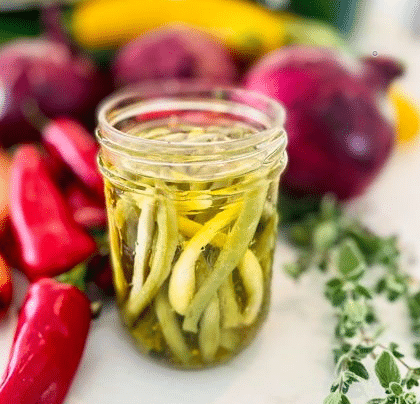
The burgundy beans lose their color when cooked, but the yellow and green beans make great Dilly Beans.
You can also dehydrate them.
How to Freeze Beans
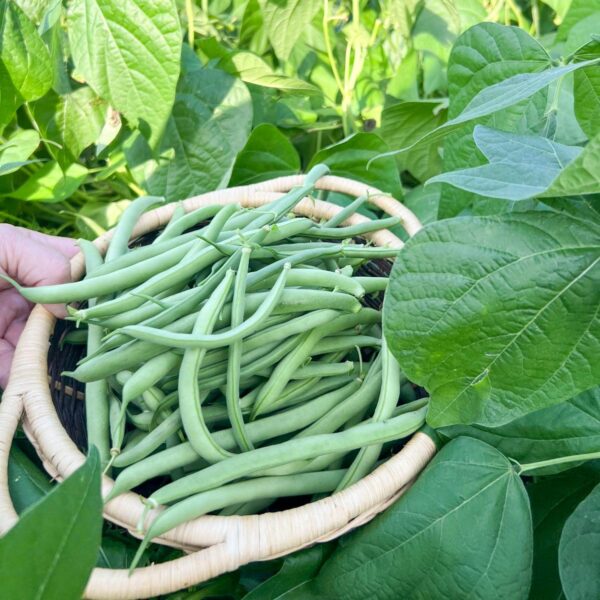
Step 1 – Pick beans. Ideally process your beans as soon after harvest or purchase as possible.
Step 2 – Trim beans and cut to desired size.
Step 3 – Wash well.
Step 4 – Bring large pot of water to boil. Avoid crowding the vegetables – use about 1 gallon of water per 1 pound of prepped veggies. That’s about 16 cups of water for 4 cups of prepped veggies.
Step 5 – Once water is boiling, add veggies. (If you have a lot, do several batches rather than stuffing them all in at once). Wait for the water to return to a boil, then boil beans for 3 minutes. This step stops the aging enzymes found in vegetables and will keep your veggies tasting fresh and delicious.
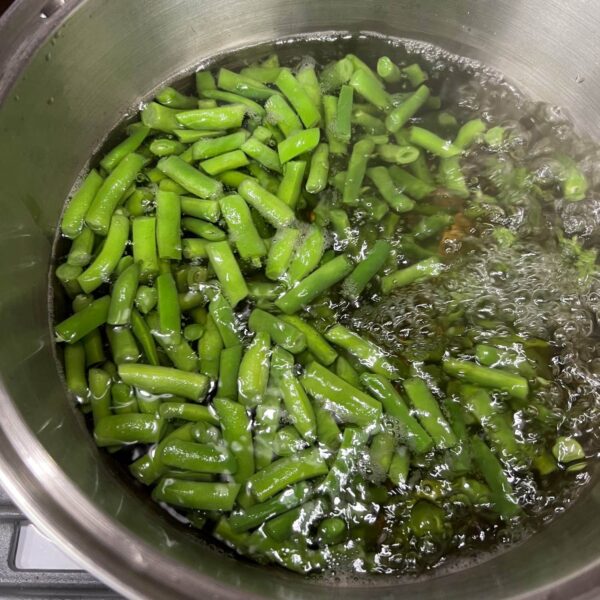
Step 6 – Cool in ice water bath immediately after blanching time is finished. This stops your beans from continuing to cook from residual heat.
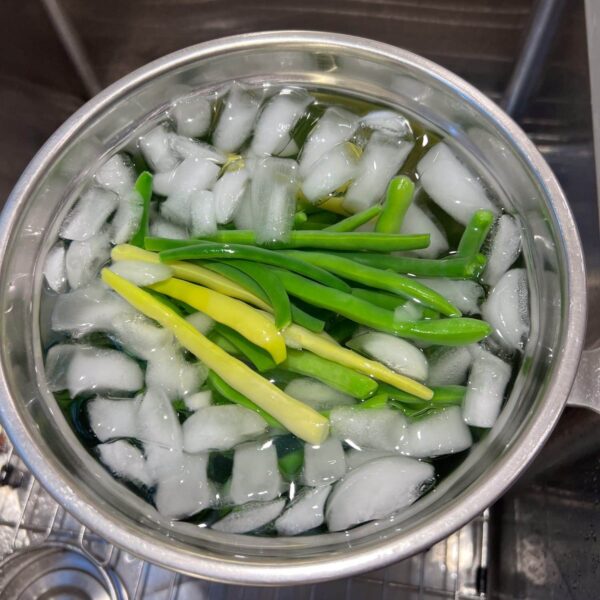
Step 7 – Drain well and pat dry. The less water on your beans, the better they’ll hold up in the freezer.
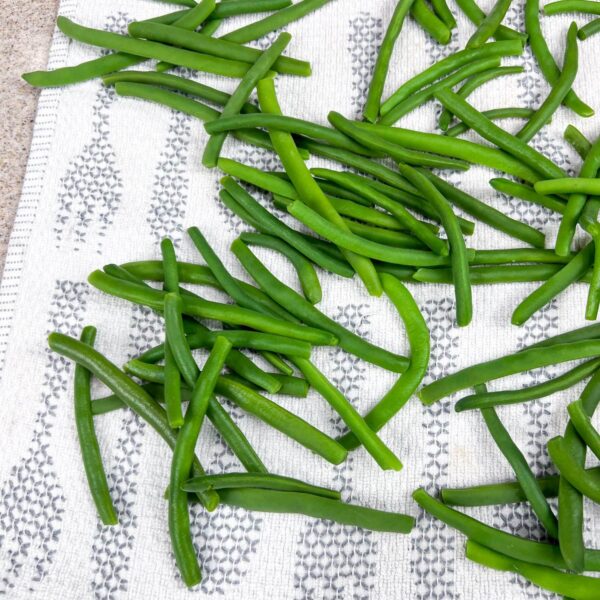
Step 8 – Place in freezer bag. For convenience pack in amounts that you most commonly use so you can easily defrost just as many beans as you need. Remove as much air from the bag as possible to ensure best freezing conditions. Use a straw tucked into the bag to suck out extra air or use a vacuum sealer. The less air, the better It really works!
Step 9 – Label and freeze.
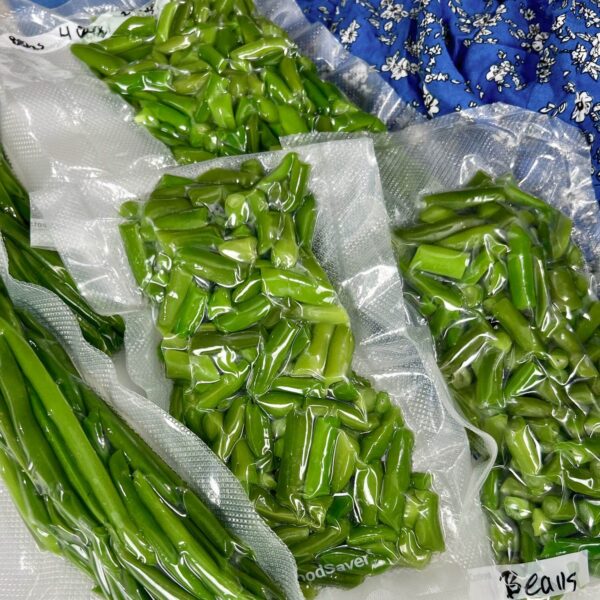
Enjoy your beans! They’ll be safe for years but will taste best if used within 6-12 months.
Can I Can my Green Beans?
Here’s the thing – if you want to can beans, you MUST use a pressure canner or make pickled beans in an acid brine. (Prepare for big rant here!) Seriously, I know my mom and your grandmother probably canned beans in a hot water bath, they did the best they could with the information they had.
Today, we have more knowledge about how microorganisms work and know how to eliminate further risks. I bet your mom and grandmother probably didn’t wear seatbelts or bike helmets either. Do you wear a seatbelt? Do you insist your kids wear bike helmets? Why? Your grandmother never did and it didn’t kill her?! Continuing to water bath low acid veggies because your grandmother did and your family survived is a dumb argument. We know better. We know that beans do not have enough acid in them to prevent Clostridium Botulinum from thriving in a can of water bathed beans.
Sure, it may not be present in every can – but do you want to play Russian Roulette with your friends and family? Why take the risk, when we have easy, safe alternatives.
Is Botulism a Real Concern?
Oh and yes, sadly, people have died from botulism in water bathed low acid veggies. In 2015, an outbreak of botulism in improperly canned potatoes turned fatal – Ohio Church Potluck Botulism Outbreak turns fatal. In 1931 in North Dakota 13 people died from water bathed green peas and another 12 people died in Albany in 1924 due to improperly canned green beans. The Centre for Disease Control reported 145 botulism cases caused by home prepared foods between 1996 and 2014, 43 of them related to home canned vegetables. The threat is real. The solution is easy – follow tried and tested recipes for canning veggies, add acid or use a pressure canner as specified.
Some of our favorite bean recipes using frozen beans:
As for pickled and dehydrated beans:
Homemade Garden Vegetable Soup Mix
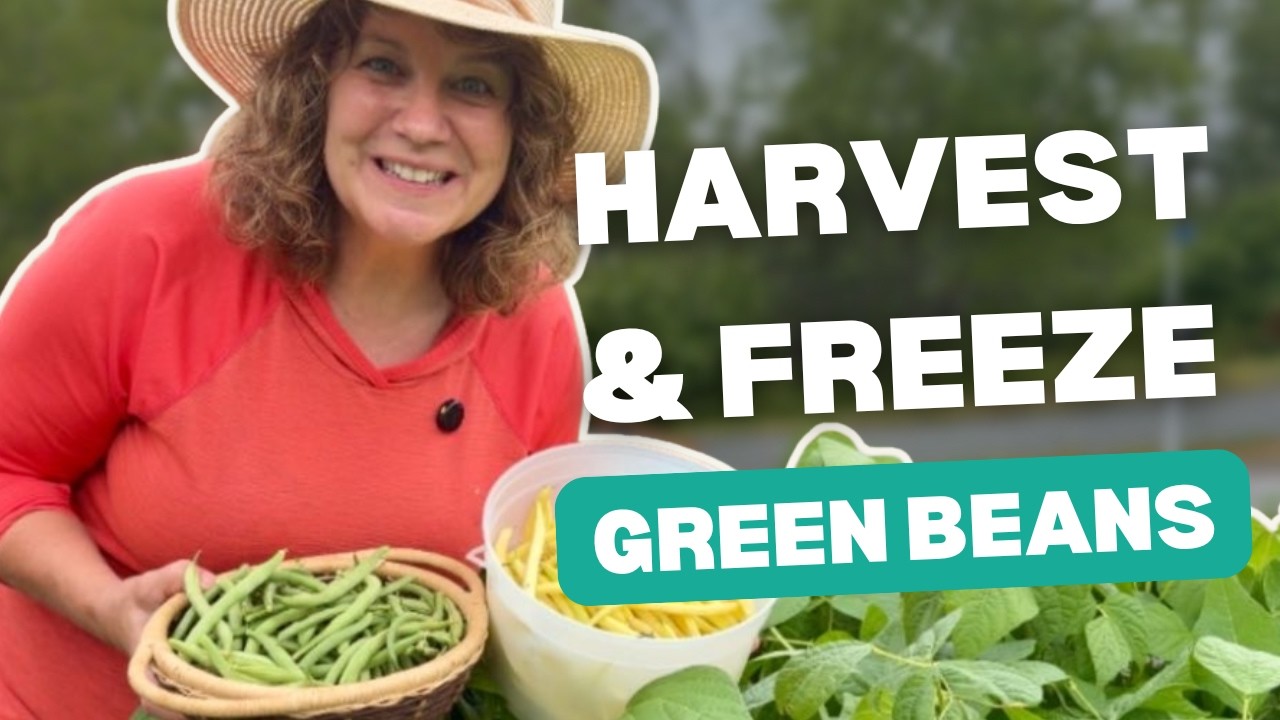
Want to freeze fresh green beans so they still taste great come January? Watch my new video: How to Blanch and Freeze Green Beans So They Still Taste Great in January. I’ll show you how to pick, blanch, flash freeze, and store your green beans (or yellow wax beans) the right way.
Cook with the seasons, effortlessly! I’m Getty, a food educator and Professional Home Economist, helping you select, store, and serve seasonal ingredients in delicious, simple, everyday meals. Sign up for seasonal tips and recipes delivered straight to your inbox, and dive deeper with my books, guides, or YouTube content.