

How to Plant Carrots
Here’s how to plant carrots in your garden so you can enjoy these tasty, nutritious veggies straight from the garden, as fresh as can be.
 They are so worth the effort it takes to get them going. Once they get started, they’re low maintenance and the reward of pulling a sweet carrot right out of the ground is pretty awesome. I have learned that even moisture in the first 2-3 weeks after seeding is absolutely critical to getting carrots going. The seeds are planted so shallow that they are at risk of drying out before they germinate. And it takes a LONG time for carrots to germinate compared to other seeds. Loose soil, patience and consistent watering are key.
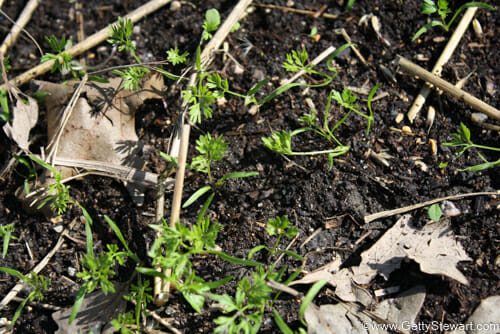
We have grown yellow ones, white ones, orange ones and purple ones. The classic orange Scarlet Nantes is our favorite, but Purple Haze is pretty awesome too. The others add nice color, but the sweetest flavor is in the orange carrots – at least we think so.
How to Plant Carrots
The Stats
When: 2 weeks before last frost date – in Zone 3 or Winnipeg that’s mid May
Days to Germinate: 14-20 days (a really long time for seeds)
Days to Harvest: 65-80 days depending on variety
Where to Plant: direct sun, in loose humus based soil – avoid manure (causes green growth but poorly shaped carrots)
Seed Spacing: 1/2″ (1.3 cm) but seeds are so tiny try broadcast seeding as described below or seed tape
Row Spacing: 12″ (30 cm)
Seed Depth: 1/4″ deep – that’s very shallow, firm soil on top and keep consistently moist to prevent seeds from drying out
Thinning Spacing: thin seedlings to encourage good carrot size, space 2″(5 cm) apart
Plant Next to: beans, broccoli, cabbage, cauliflower, kale, chives, onions, lettuce, peas, peppers, tomatoes
Avoid Planting Next to: parsnips, dill, potatoes
Tips for Carrot Success
Dig Deep and Make a Loose Bed
Add Mulch/Compost
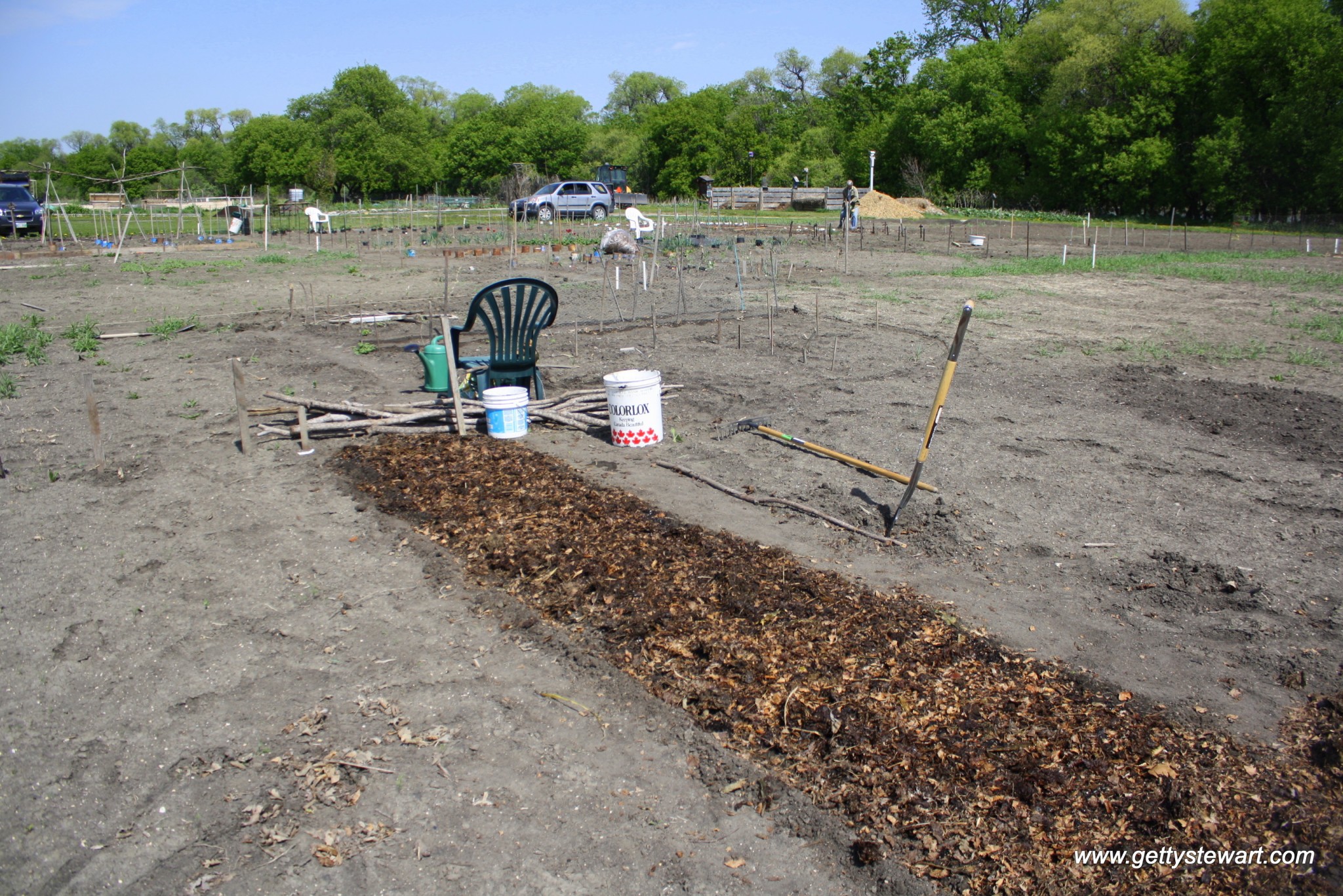
Water the Bed
Scatter the Seeds
Cover Seeds Lightly
Water
Cover Very Lightly with Compost or Leaves
Keep Moist during Germination
Consider Onions as Companion Plants
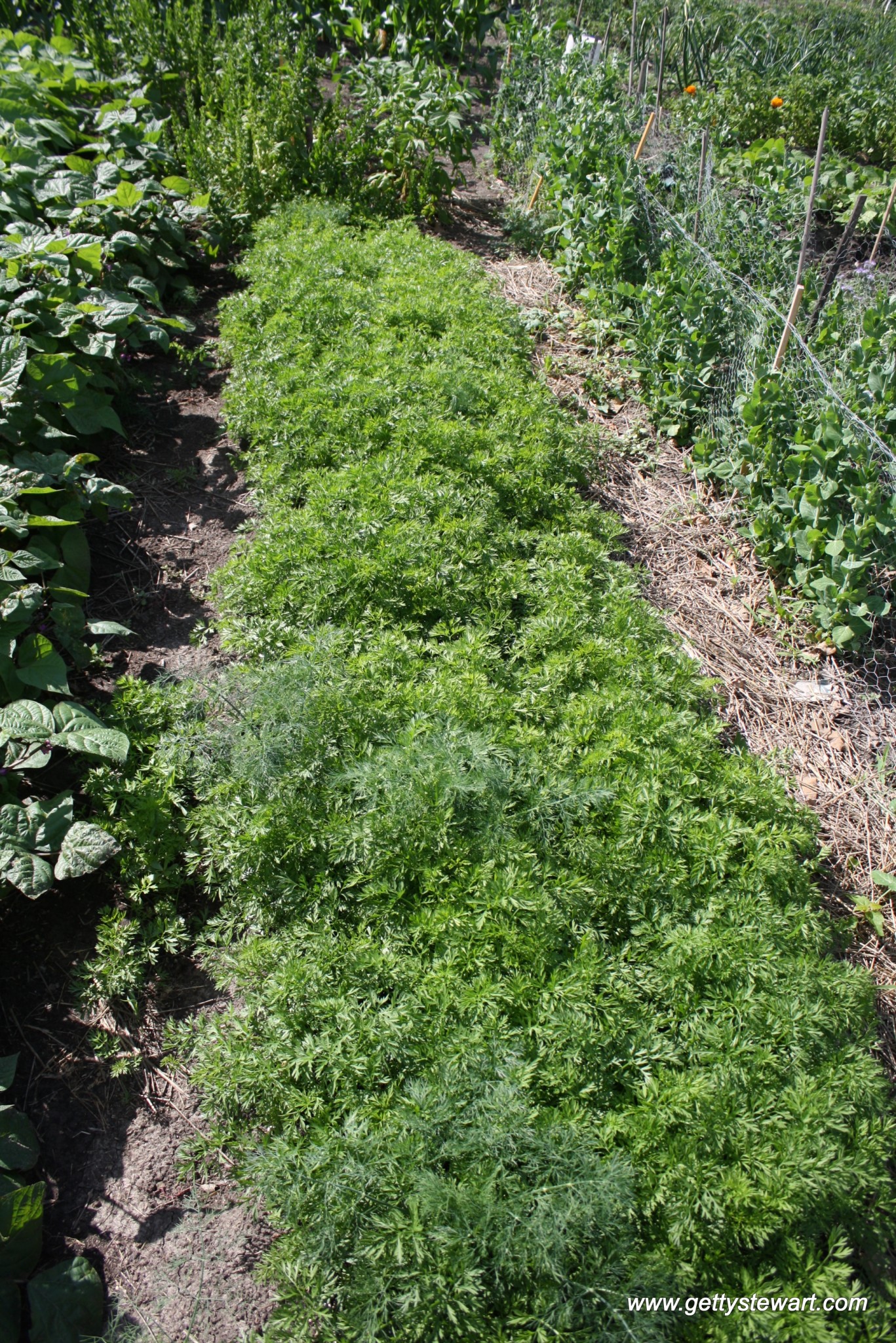
We like when Mother Nature helps out with spring rains, so we look to the forecast to decide when to put in the carrot bed. If the forecast says rain tomorrow and it’s two to four weeks before the first frost free night – it’s a good day to put in the carrots.
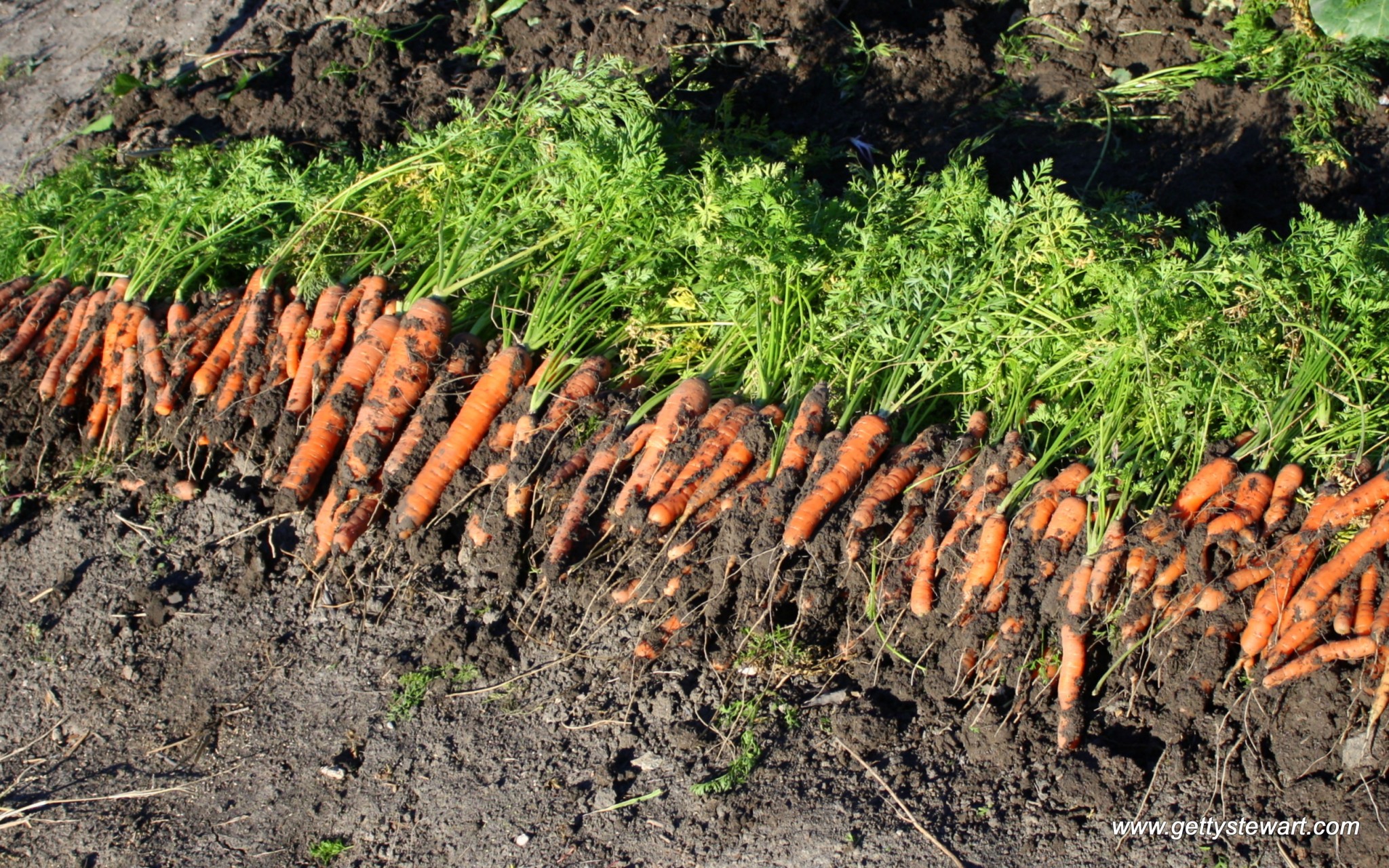
So many lovely carrots. I can’t wait!
Here are a few other How To’s to get your gardening going:
When to Plant Different Vegetables
Need help planning or getting your vegetable garden going? Get Getty to help you figure things out. Getty Stewart is a freelance Professional Home Economist, author of Manitoba’s best-selling Prairie Fruit Cookbook, Founder of Fruit Share, mom and avid veggie gardener. She loves growing food and has been doing so forever. Need a workshop or a little one-on-one, Get Getty!