

The Ultimate Guide to Storing Holiday Baking Ingredients
Here’s your guide to storing holiday baking ingredients to help you make the best treats. Whether you’re making festive cookies, cakes, or treats, you’ll want your ingredients to be fresh and flavourful. With grocery prices climbing, it’s more important than ever to store your baking staples properly. Here’s how to care for your pantry’s holiday favourites so they’re as tasty as can be.

Also Read: Free Guide to Hosting the Big Dinner, Homemade Gifts from the Kitchen, Tips for Healthy Holiday Cooking
How to Store Common Baking Ingredients
1. Chocolate
Chocolate is the heart of so many holiday recipes, but it can develop white spots (bloom) if exposed to temperature changes or humidity. Don’t worry—it’s still perfectly safe to use.
- Keep well wrapped in an airtight container in a cool, dark place.
- We’re often advised to freeze chocolate, but the temperature fluctuations and moisture in the freezer will most likely cause chocolate bloom. Chocolate experts actually advise against freezing and encourage you to buy only what you need. If you insist on freezing it, thaw slowly, wrapped in a cotton towel to absorb moisture.
2. Molasses
Sticky, sweet, and oh-so-festive, molasses needs special care to avoid spoiling.
- Keep in a cool, dry cupboard.
- Clean the rim after each use to prevent mold or off flavors.
- Avoid the fridge or freezer—moisture can cause it to crystallize.

3. Nuts
Nuts bring crunch and flavour to holiday treats but can go rancid if not stored properly. The finer the nuts are chopped the shorter the shelf life.
- Store in airtight containers in the fridge or freezer to keep them fresh longer.
- Whole nuts last up to 6 months in the fridge or a year in the freezer.
4. Dried and Candied Fruit
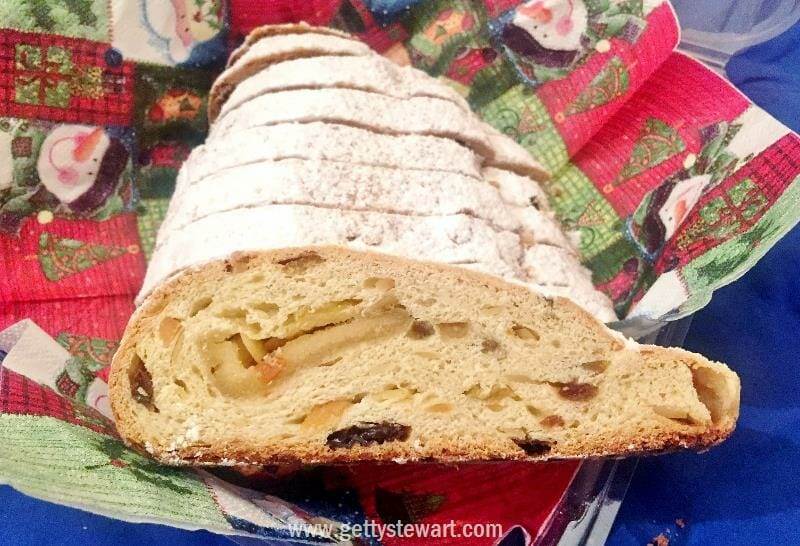
Whether you’re making fruitcake or cookies, dried and candied fruits are a holiday must.
- Keep them in airtight containers or resealable bags to prevent drying out.
- Rehydrate extra-dry fruits by soaking in warm water for 10–15 minutes. Drain well before using.
5. Spices
From cinnamon to nutmeg, spices bring the warmth and aroma of the holidays.
- Store in airtight containers away from heat (try to avoid the cupboard next to the stove), light, and moisture.
- Ground spices stay fresh for about a year, while whole spices can last several years.

6. Sugar
Sweeten the season with properly stored sugar. Each type has different needs:
- Brown sugar: Store in an airtight, rust proof container to keep it soft. You can also add a terra cotta sugar saver disc, a slice of bread or a slice of apple to keep it nice and supple.
- White granulated sugar: Keep it sealed and dry to prevent clumping. If lumps do occur, break up with a fork and sift them out. You can also gently heat the sugar with slightly damp towel for 20 second intervals in the microwave – but only do this with the amount of sugar you need at any time as it will likely re-harden.
- Powdered (icing) sugar: Store in an airtight container to keep out moisture and odors. Sift before using or if lumps are really stubborn – place in food processor.
7. Maple Syrup
Maple syrup can spoil if left at room temperature after opening.
- Always refrigerate after opening to prevent mold.
- It’ll stay fresh for up to a year in the fridge.
8. Honey
Honey lasts forever (almost!), but it can crystallize.
- Store at room temperature in a tightly sealed jar.
- To dissolve crystals, gently warm the jar in hot water. Or microwave just the amount you need using short bursts.
9. Fats
Fats like butter, shortening, and oils are essential for tender cookies and flaky pie crusts. Air, light and high temperatures are their enemy. Here’s how to store them:
- Butter: Keep in the fridge for 2 months or in the freezer for up to a year. Salted butter will last longer than unsalted butter.
- Shortening and lard: Store in a cool, dark cupboard or refrigerate for longer storage.
- Liquid oils: Buy oils in dark, opaque bottles to prevent light from degrading it. Keep in a cool, dark spot. Some specialty oils (like walnut or sesame) should be refrigerated.
- Coconut oil: Solidifies below 24°C. Store in airtight container at room temperature if you prefer it scoopable. For extended shelf life keep in fridge (it will turn solid) or freezer. Keep on counter or place jar in bowl of warm water to liquify.
10. Sprinkles
These tiny decorations bring joy to cookies and cakes, but they can lose their vibrancy or stick together.
- Store in a cool, dry cupboard in their original containers or a tightly sealed jar.
11. Cookie & Graham Cracker Crumbs
Nothing spoils a beautiful pie or square more than stale crumbs! These crumbs need to stay fresh and crisp.
- Store in an airtight container in a cool, dry spot for 2-3 months if closed and only 2-3 weeks if opened. For longer storage, keep them in the freezer. If they taste good, but are a little soft, crisp them up by baking in a single layer on a baking sheet for 15-20 minutes at 225°F/107°C.
12. Flour
The foundation of most baking, flour needs protection from moisture and pests.
- All-purpose flour: Store in an airtight container in a cool, dry cupboard for up to a year. For longer storage, freeze it.
- Whole wheat flour: Higher oil content means it can go rancid. Store in the fridge or freezer.
- Gluten-free and specialty flours: Store in airtight containers in the fridge or freezer to keep them fresh.
13. Coconut Flakes
Coconut adds texture and flavor to cookies, cakes, and more.
- Keep in an airtight container in the fridge or freezer to maintain freshness.

Need info on other ingredients? Have tips to share? Let me know in the comments below.
Cook with the seasons, effortlessly! I’m Getty, a food educator and Professional Home Economist, helping you select, store, and serve seasonal ingredients in delicious, simple, everyday meals. Sign up for seasonal tips and recipes delivered straight to your inbox, and dive deeper with my books, guides, or YouTube content.